Just How Synthetic Roof Shingles Stand Up to Snow Loads and Warmth Waves
Homeowners normally see a roof covering when it leakages, drops granules right into the rain gutter, or begins to crinkle at the edges. Service providers notice something else first, just how a roof handles stress gradually. Snow tons, freeze-thaw cycles, wind-driven ice, attic room warmth accumulation, straight summer season sunlight, and sudden temperature swings all leave hints. Those hints show up in split tabs, stood out bolts, deformed decking, reduced life span, and, in serious cases, architectural strain.
That is why synthetic roof shingles have attracted a lot focus over the last few years. They are typically marketed for appearances, especially when a property owner desires the account of slate, cedar shake, or other premium materials. But their performance story matters equally as much. When you are contrasting roofing products for an area that sees both hefty winter season storms and punishing summertime warmth, appearance is just part of the equation.
In markets like the Midwest, and specifically around synthetic roof Chicago tasks, the weather can turn from subzero wind cools in January to rooftop surface area temperature levels well above 140 levels in July. A material that executes perfectly in mild environments can have a hard time right here. The better synthetic roofing systems are created with that said reality in mind, though design high quality, installation high quality, attic room air flow, and structural problems still determine whether the roof grows or merely survives.
What "synthetic" implies on a genuine roof
Synthetic roofing tiles are manufactured products made to mimic conventional roofing materials while lowering several of their weak points. Depending upon the brand and product, they might be made from crafted polymers, recycled composites, virgin resins, rubber-plastic blends, or other proprietary solutions. The group is broad, which is why efficiency can vary greater than property owners expect.
A premium synthetic roofing item is not merely "plastic roof covering." That tag misses out on the design entailed. Good items are built for influence resistance, UV security, dimensional consistency, and regulated versatility. Inferior items can end up being breakable in cold weather, soften excessive in heat, discolor unevenly, or fall short around fastening points. I have seen both ends of that spectrum. On one roof, a synthetic shake line dealt with a ruthless winter season without splitting. On another, lower-grade imitation slate began flawing where heat showed off a neighboring masonry wall.
That distinction is one reason the installer matters so much. A competent artificial professional roofer knows that not all artificial roof covering shingles cut, fasten, and blink the same way. A product can have outstanding laboratory data and still underperform if the team rooms fasteners inaccurately, leaves poor ventilation, or overlooks maker temperature guidelines throughout installation.
Snow load is not almost the shingle
When property owners ask whether artificial roofings can "hold snow," the answer requires context. Snow tons is primarily an architectural problem prior to it ends up being a roof shingles issue. Roofing system decking, framing spans, truss layout, pitch, and local code demands figure out how much weight the roofing setting up can support. The shingle itself is just one layer in that system.
Still, the external roofing product matters since it affects how snow acts and exactly how the assembly responds. A hefty natural slate roof starts with a much better dead lots than a light-weight artificial choice. That leaves less margin when a major tornado drops wet, thick snow. One practical advantage of building artificial roof is weight reduction. A synthetic slate item can provide the visual depth of quarried stone at a portion of the weight, which is especially useful during artificial roofing substitute on older homes that were not originally mounted for true slate.
This issues on custom-made homes and historic-style residences where the owner desires premium artificial roof or artificial roof for high-end homes without straining the framework with an incredibly heavy covering. Lighter roof covering materials do not amazingly make a roofing unsusceptible to snow troubles, yet they can decrease consistent load on the structure year-round.
How snow really stresses a roofing system surface
Snow places a roof covering via several type of tension at the same time. Weight is the apparent one, however it is not the only worry. Melting and refreezing around the eaves can produce ice dams. Loaded snow can block drain paths. Temperature level distinctions in between attic room areas and roof covering surfaces can accelerate thawing in some locations while others remain icy strong. That irregular cycle drives water under roof shingles and around flashings.
Synthetic roof tiles can carry out well here since several remain even more flexible than traditional fragile materials in very winter. That flexibility aids them take in minor motion without splitting. On roofs that cycle continuously between daytime melting and nighttime refreezing, that attribute is valuable.
The caution is that not every artificial item deals with chilly the same way. Some lower-end items become rigid when temperatures dive. Others might stand up to breaking however still permit wetness intrusion if installation information are inadequate. This is why a qualified artificial roof covering company pays close attention to underlayment choice, blinking shifts, ridge air vent information, and eave protection. In snow nation, the assembly under the noticeable roofing system issues almost as much as the noticeable roofing itself.
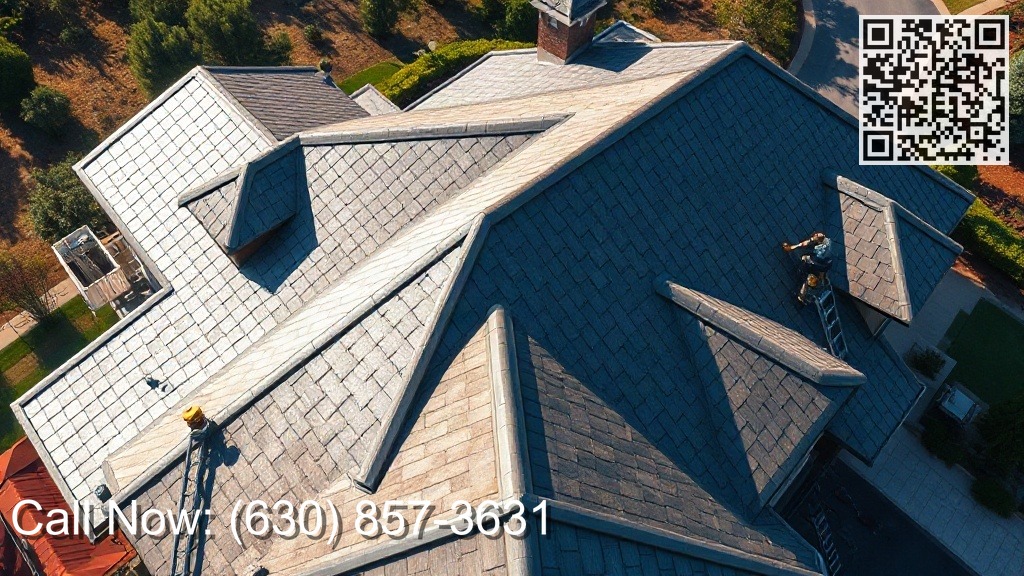
A roof in Naperville or the larger Chicagoland area, for example, may undergo a number of freeze-thaw swings in a solitary month. On homes that have cathedral ceilings, complicated valleys, dormers, and long rain gutter runs, those problems can expose faster ways quickly. A reputable synthetic roofer Chicagoland homeowners depend on will certainly examine insulation levels and attic room airflow prior to making broad assurances regarding wintertime performance.
The function of roofing pitch and snow shedding
Pitch affects just how much snow gathers and just how quickly it glides. Steeper roof coverings often tend to shed snow quicker, although texture, temperature level, and sunlight exposure all influence that procedure. Some synthetic roofing roof shingles have surface area profiles that imitate cedar or slate so well that they also influence snow retention. That can be great or negative depending upon the design.
If snow releases also swiftly in big sheets, it can harm seamless gutters, landscape design, and entrance locations. If it sticks too lengthy on a roofing system with well-known architectural limitations, the weight can become a problem. The ideal equilibrium relies on the home. I have actually seen steep roofing systems where snow guards were necessary to manage launch, and lower-slope attractive areas where the bigger issue was prolonged melting at the eaves.
This is where real site judgment matters more than pamphlet language. Residential synthetic roof covering is not one-size-fits-all. Two houses on the exact same street can require various outlining since one has huge south-facing roof covering airplanes over warmed living space and the other has actually an aerated attic with mature shade trees.
Heat waves examine a different set of properties
Summer penalizes roof materials in quieter methods. As opposed to dramatic ice buildup or noticeable snowdrifts, you get ruthless UV exposure, thermal development, warm attic room air, and surface area temperature levels that much exceed the outdoor analysis. On a warm day, a dark roofing system can become hot adequate to soften low-quality products, increase aging, and telegraph flaws that did not show up in milder conditions.
Well-made synthetic roof are created to resist UV degradation and preserve dimensional stability under warm. That means they ought to not curl, split, or shed form merely because the roof covering cooks for days at a time. Better products also hold shade extra constantly, though every roofing system fades rather in time. The concern is whether that fading takes place progressively and uniformly, or patchily and prematurely.
Heat waves likewise expose fastening issues. If shingles broaden and contract continuously, bad nailing patterns or insufficient attachment can appear as changing, rattling, or distortion. Experienced artificial roof covering installers understand that warmth performance is not almost the shingle formula. It is also about spacing, attachment, ventilation, and whether the roofing deck is completely dry, level, and effectively prepared before setup begins.
Why light-weight can assist in both wintertime and summer
A lighter roof product minimizes fixed tons in wintertime, but it additionally changes just how teams handle setup and future maintenance. Artificial roofing roof shingles are typically easier to present and cross the roof than real slate or concrete tile. That can decrease damage during installation and make repair work much less invasive if one area is ever before damaged by a fallen limb or serious hail.
In hot weather, reduced mass does not automatically mean a cooler roof surface area. Reflectivity, color, air flow, and setting up style play larger roles. However lighter items can still benefit the home because they place less stress on the framework and typically simplify retrofit applications. Throughout a synthetic roofing replacement, that can mean less framework adjustments compared with converting to very hefty conventional materials.
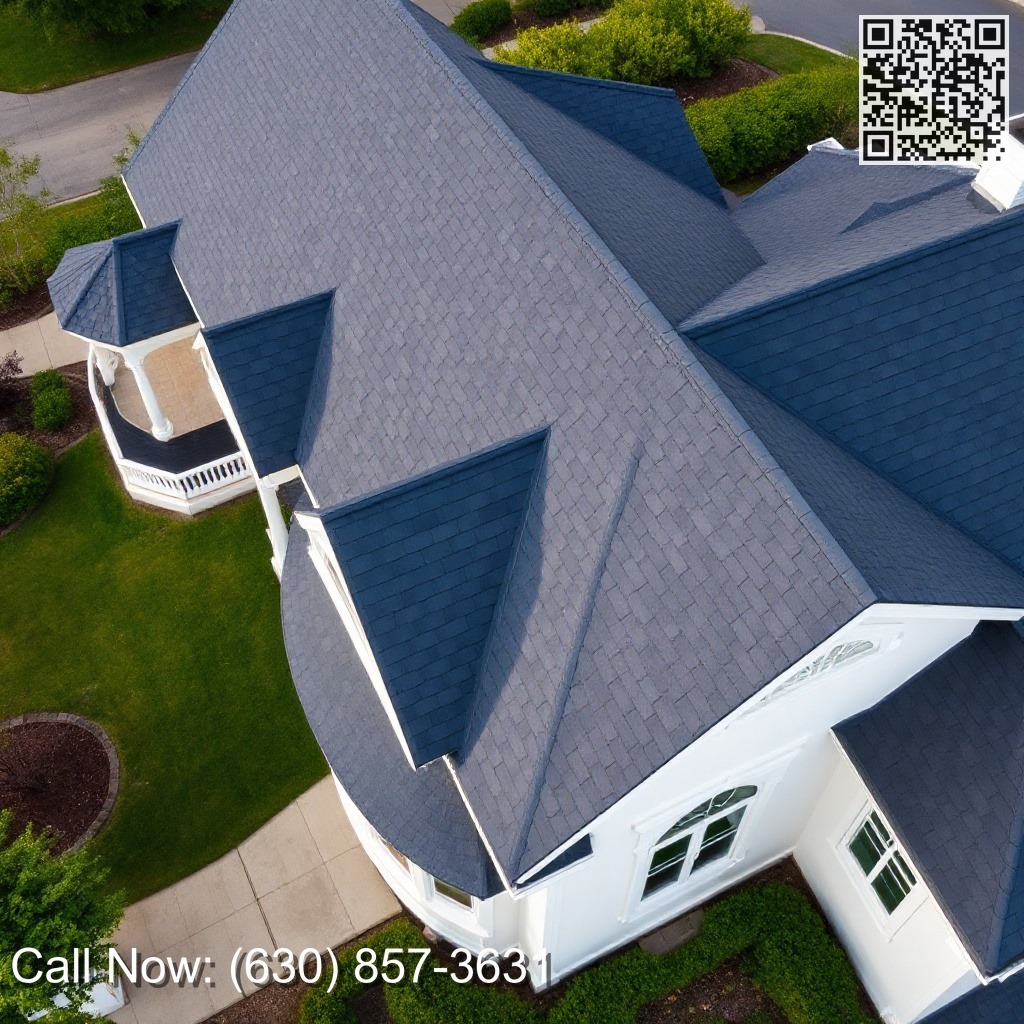
For higher-end homes, this is specifically attractive. Numerous proprietors want the deepness and texture of slate or hand-split cedar without the architectural charges or maintenance migraines. That is a key reason artificial roofing for luxury homes has actually gained traction. It supplies the aesthetic passion of costs roofing while staying practical for contemporary framing and code expectations.
Ventilation makes a decision greater than many home owners realize
I have actually seen roof covering systems condemned for troubles that were actually attic issues. A roofing system can only do so much if warm, damp air gets caught below it. In wintertime, bad air flow adds to unequal melting, ice dams, and condensation. In summer season, it drives up deck temperatures and can age the roof covering from beneath.
Synthetic roof coverings gain from well balanced consumption and exhaust ventilation similar to various other steep-slope systems. If the attic room is under-ventilated, the roofing may run hotter, which additional thermal tons can decrease service life. If insulation is irregular, warm interior air may produce separated thaw areas under snowpack, which is just one of the traditional configurations for ice dam formation.
A careful synthetic roofing system setup normally starts with questions beyond the roof shingles option itself. How is the attic room vented? Is the existing outdoor decking noise? Are there indications of dampness staining or mold and mildew? Are restroom fans wearing down right into the attic room as opposed to outside? An experienced synthetic roofing contractor asks these concerns since long-lasting efficiency relies on the whole assembly, not simply the visible finish.
Installation information that matter in extreme weather
Two roof coverings can use the very same item and age extremely in a different way because of craftsmanship. Under snow and warmth stress and anxiety, tiny information come to be big problems. Valleys require to move water quick. Flashings around chimneys and sidewalls need to remain watertight via expansion and contraction. Bolts require correct placement and depth. Starter training courses require to resist wind uplift. Underlayment needs to fit the environment, especially in freeze-thaw regions.
The ideal teams do not hurry this work. An artificial roof firm with strong field technique will certainly check deck flatness, confirm the supplier's fastening pattern, and follow temperature-specific handling guidance. Some synthetics cut cleanly in cool climate yet end up being a lot more versatile in direct sunlight. Others call for certain storage space and hosting so packages do not warp prior to setup. These are not extravagant information, but they separate resilient results from costly callbacks.
Here are the field information I pay the closest focus to on weather-exposed projects:
- Ice and water defense at eaves, valleys, and vulnerable transitions.
- Ventilation layout that matches the home's insulation and roof geometry.
- Manufacturer-approved attachment patterns for local wind and environment demands.
- Flashing integration around infiltrations, masonry, and wall intersections.
- Product handling throughout really chilly or extremely hot installment days.
That checklist looks standard, yet roof covering failings often start in exactly those places.
How synthetics compare to other costs materials
Natural slate remains among the most durable roof products offered, but it is heavy, expensive, and very based on specialized installation ability. Cedar has heat and personality, yet it needs ongoing maintenance and can weather unpredictably depending upon environment and sunlight exposure. Asphalt tiles know and cost-effective, though typical qualities typically do not deliver the same durability, influence resistance, or building presence as higher-end alternatives.
Architectural synthetic roofing occupies a helpful happy medium. It offers property owners a polished account with less weight than slate and much less routine upkeep than cedar. Oftentimes, it additionally offers far better effect resistance than weak https://alexisekwi071.lakeviewbrief.com/posts/just-how-costs-synthetic-roof-covering-extends-roof-covering-life-in-harsh-climates natural products. For homes in climates marked by both snow build-up and warm spikes, that balance is compelling.
That claimed, synthetic is not automatically remarkable in every scenario. A badly made artificial product can mature terribly. A home owner expecting a bargain cost might be let down, since premium synthetic roofing usually costs more than common asphalt. And on traditionally sensitive residential or commercial properties, preservation rules may limit acceptable item choices. Great choices originate from matching the material to your home, environment, spending plan, and efficiency goals.
What house owners in Chicagoland should listen to
A roofing system in this area has to take care of lake-influenced weather condition swings, wet spring storms, hail pockets, deep cold wave, and hot midsummer stretches. If you are thinking about artificial roofing Naperville IL or somewhere else in the suburbs, ask much less concerning advertising and marketing buzzwords and more regarding local performance history. How has the product managed ice dams? Has the installer used it on similar rooflines? What guarantee support exists if a batch concern shows up years later?
For artificial roofing Chicago jobs, I would certainly pay specific attention to attic problems and water drainage courses. Older homes frequently have air flow peculiarities, covered outdoor decking, or additions that changed the original air flow. More recent custom-made homes might have dramatic roof covering geometry that looks outstanding but develops focused drainage and snow collection zones. Both need mindful planning.
Homeowners should additionally comprehend that even the very best synthetic roofing systems take advantage of regular assessment. After a severe wintertime or an extended warm front, a professional check-up can catch little blinking issues, blocked vents, or separated impact damage before they become interior leaks.
A few practical inquiries are worth asking any type of synthetic professional roofer before finalizing:
- Which artificial items have you installed locally for at the very least a number of years?
- How do you manage air flow analysis prior to artificial roofing system installation?
- What underlayment and ice barrier details do you define for this climate?
- Who registers guarantees, and what workmanship coverage do you provide?
- Can you reveal examples of finished domestic artificial roof jobs nearby?
Clear solutions generally tell you a whole lot concerning the high quality of the company.
The upkeep reality
One factor house owners gravitate toward artificial roofs is the promise of lower maintenance. That guarantee is mainly fair, with restrictions. Synthetic roof covering roof shingles normally do not require the exact same upkeep as cedar, and they prevent a few of the fragility concerns related to all-natural slate. But "reduced upkeep" does not mean "no upkeep."
Debris ought to still be removed from valleys and gutters. Overhanging branches must still be trimmed back to decrease abrasion and influence danger. Sealants and flashings still age. If snow slides greatly near entrances or walks, snow monitoring devices might still be required. On big homes, especially those with several roof covering levels, regular assessment stays wise insurance.
From a service provider's perspective, the very best synthetic roofs often tend to be the ones that integrate high quality item option with disciplined installment and sensible owner expectations. When those items straighten, the material generally deals with snow tons and heat waves quite possibly. When one item is missing, problems comply with faster than the sales literature suggests.
Where synthetic shingles make the most sense
Synthetic roof covering frequently radiates on homes where the proprietor desires a premium look, decreased structural lots, far better impact resistance, and less upkeep than all-natural wood or stone. It is also a strong prospect for synthetic roofing system replacement when an aging roof requires an upgrade in both curb allure and weather performance.
That does not suggest every house requires it. A simple ranch with a modest budget might be much better served by a top notch building asphalt system if the style objectives are useful instead of aesthetic. However, for house owners that care about long-term look, environment durability, and reduced weight, premium synthetic roofing should have a significant look.
The toughest jobs I see share a typical trait. The home owners are denying a tag, they are getting a system. They choose a tried and tested product, insist on cautious artificial roofing system installers, address air flow and insulation, and treat the roofing system as component of the home's overall structure envelope. That is exactly how artificial roof roof shingles gain their track record in severe climates.
Snow and heat are not gentle examinations. They subject weak products, rushed installment, and poor setting up style. Quality artificial roofs can stand up to both, often remarkably well, yet only when the product and the workmanship are just as strong. That is the standard worth holding.
When Quality Matters
Salvo Architectural Roofing Contractors
566 West 5th Ave Naperville, IL 60563
(630) 857-3631
 Ask ChatGPT
 Ask Grok
 Ask Perplexity
 Ask Claude
 Ask Google AI
 Ask You